
As a Sewing Machine Repair Technician, I specialize in diagnosing and fixing issues with sewing machines. From mechanical to electrical problems, I provide expert repair services to ensure optimal machine performance.
Your sewing machine is more than just a tool — it’s part of the creativity and projects you care about. When you bring your machine to me, I’ll treat it with the same attention and respect I give my own. My goal is to provide dependable, high-quality service so you can get back to sewing with confidence and peace of mind.
Choosing someone to care for your sewing machine is an important decision, and I’m honored each time a customer places that trust in me. I take pride in providing honest, thoughtful repairs and maintenance so your machine feels dependable every time you sit down to sew. My hope is to make the repair process simple, reassuring, and stress-free from start to finish.
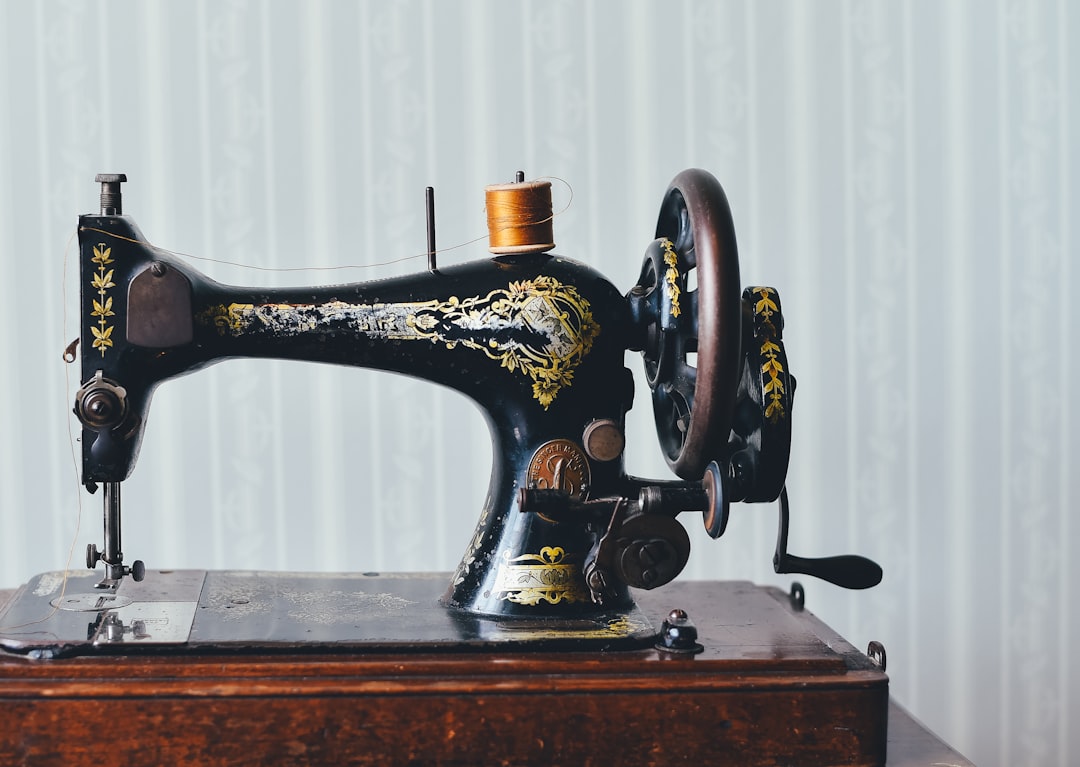
An antique sewing machine is a sewing machine valued for its age, craftsmanship, and historical significance. In general, a machine is considered an antique if it is at least 100 years old, although the term is sometimes used more broadly to describe very old or vintage models.
These machines were produced during the early development of sewing technology, primarily throughout the 19th and early 20th centuries. Many were manufactured by renowned companies such as Singer, New Home, Wheeler & Wilson, and White. Built from durable materials like cast iron, steel, and wood, antique sewing machines were designed to last for generations. Unlike most modern machines, they operated through hand cranks, treadles, or other mechanical systems rather than electricity.
Antique sewing machines are admired not only for their functionality but also for their artistic design. Many feature ornate decals, decorative engravings, intricate metalwork, and finely crafted wooden cabinets. These details reflect the exceptional craftsmanship and attention to detail that manufacturers invested in their products during that era.
Today, antique sewing machines are treasured by collectors, historians, and sewing enthusiasts alike. Some are preserved as historical artifacts or displayed as decorative pieces, while others continue to be used for sewing projects. With proper care and maintenance, many antique machines remain fully functional more than a century after they were made.
A vintage sewing machine is a sewing machine valued for its age, quality, design, and connection to an earlier era, but not old enough to be classified as an antique. Generally, machines that are between 30 and 85 years old are considered vintage.
Most vintage sewing machines were manufactured during the mid-20th century and are well known for their durability and solid construction. Unlike many modern machines that contain plastic components, vintage models were typically built with heavy metal parts, making them sturdy, reliable, and long-lasting. Most were powered by electricity, although some models still operated using treadles or hand cranks.
Vintage sewing machines are popular among collectors, hobbyists, and sewing enthusiasts because they often deliver excellent performance and can handle heavy fabrics more effectively than some modern machines. They are also admired for their timeless appearance, featuring simple yet stylish designs that reflect the era in which they were made.
Today, many vintage sewing machines remain fully functional and continue to be used for everyday sewing projects, while others are appreciated as collectible or decorative pieces that preserve the history of home sewing.
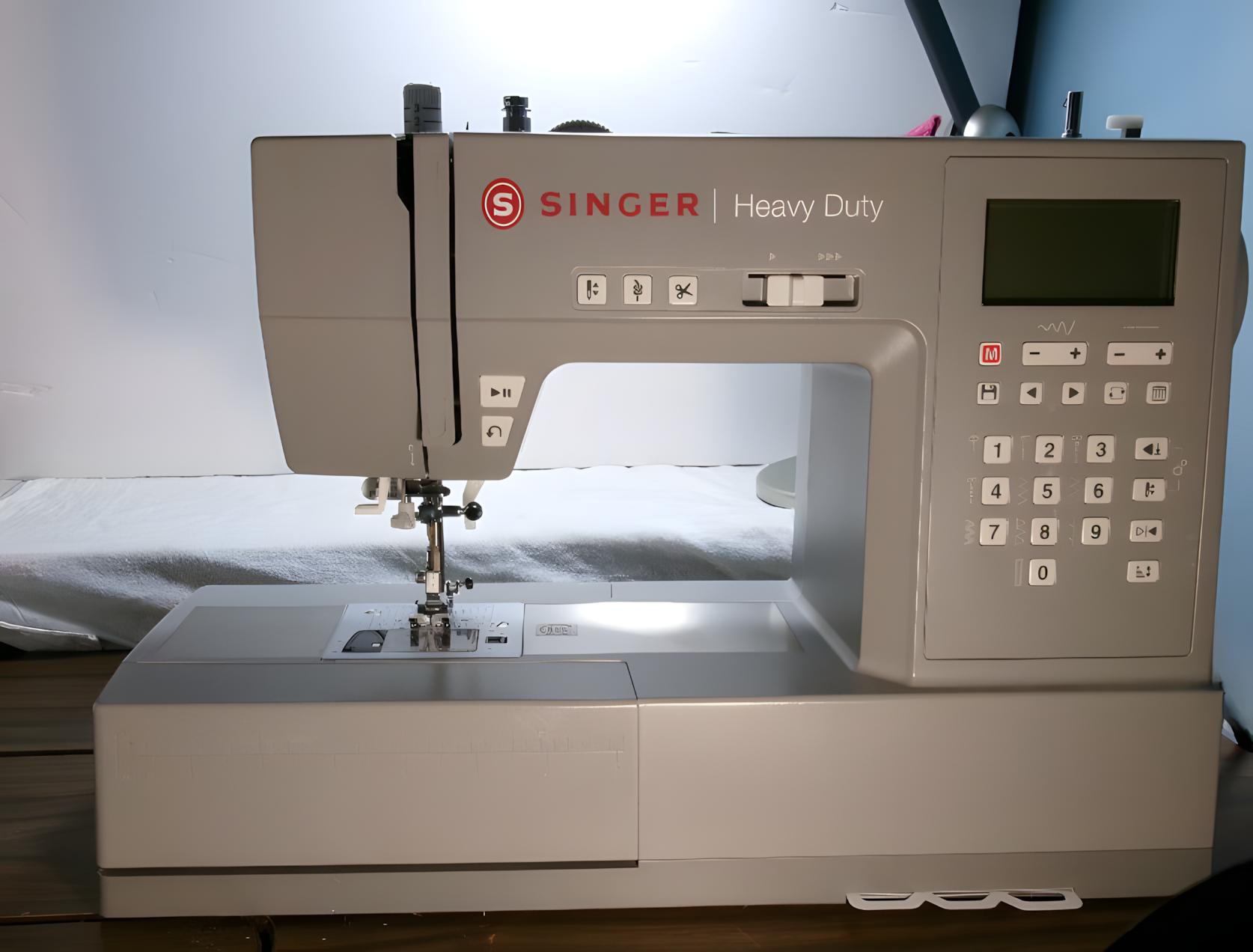
A modern sewing machine is a sewing machine designed and manufactured using advanced technology to make sewing faster, easier, and more precise. Unlike antique or vintage machines, modern sewing machines often feature electronic or computerized systems that improve both performance and convenience.
Most modern sewing machines are powered by electricity and include features such as digital controls, automatic stitch selection, and built-in stitch patterns. More advanced models may also offer touchscreens, embroidery capabilities, and programmable settings that allow users to customize their sewing projects with greater accuracy and creativity.
Modern machines are typically constructed from a combination of metal and lightweight materials such as durable plastic, making them easier to carry, store, and operate. They are designed with user convenience in mind and often include features like automatic needle threading, one-step buttonhole creation, adjustable speed control, and error-alert systems.
Because of their versatility and ease of use, modern sewing machines are widely used by beginners, hobbyists, and professional sewists alike. They are suitable for a wide range of sewing tasks, from simple repairs and everyday projects to advanced garment construction and embroidery work.